State of Migration Concerning the Dominican Republic 2018
To close out 2019, OBMICA made the PDF version of State of Migration Concerning the Dominican Republic 2018 available to the academic community, civil society, government actors, and all readers interested in migration. In her introduction, OBMICA associate researcher Kamilah Morain highlights major milestones including the growing study of trafficking, new immigration dynamics, emigration aspirations, and the politicization of migration policy.
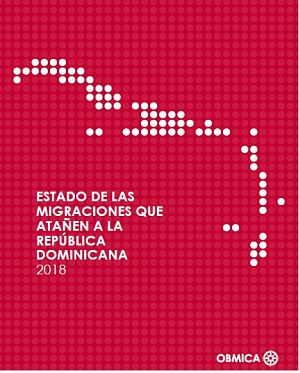
To close out 2019, OBMICA made the PDF version of State of Migration Concerning the Dominican Republic 2018 available to the academic community, civil society, government actors, and all readers interested in migration, ahead of the printed circulation of the yearbook in January 2020.
In an introduction to this flagship OBMICA publication, associate researcher Kamilah Morain identifies four major milestones. First, research on trafficking in persons has gained strength in the Dominican Republic, supported by international cooperation and new institutional efforts, including studies carried out by the National Migration Institute. Second, new immigration dynamics continue to reshape the country, especially the arrival of Venezuelan migrants and the continued centrality of Haitian migration under difficult conditions and persistent rights violations.
Third, the yearbook underscores emigration aspirations among Dominicans. Drawing on LAPOP 2019 data cited by political scientist Rosario Espinal, it notes that 40.8 percent of Dominicans would like to leave the country within the next three years to live and work abroad, with young people representing 60 percent of that group. Fourth, it examines the politicization of migration in domestic and foreign policy, warning that weak protections for migrants can undermine the rule of law and diminish the Dominican Republic's influence in regional and international forums.
The full yearbook is available together with its five chapters on Caribbean migration trends, Dominican emigration, immigration flows, migration policy developments, and the human rights situation of migrants and their descendants.