
Profiles of the Haitian Diaspora in the Caribbean #1: The Bahamas
Charlotte Wiener | OBMICA associated researcher. With the destruction of their homes, many Haitians have lost everything: residence papers, citizenship papers, passports, birth certificates, and even work permits. In the absence of documents and with the need to identify themselves for shelters in Nassau, they feel under threat of deportation. READ ENGLISH VERSION HERE.
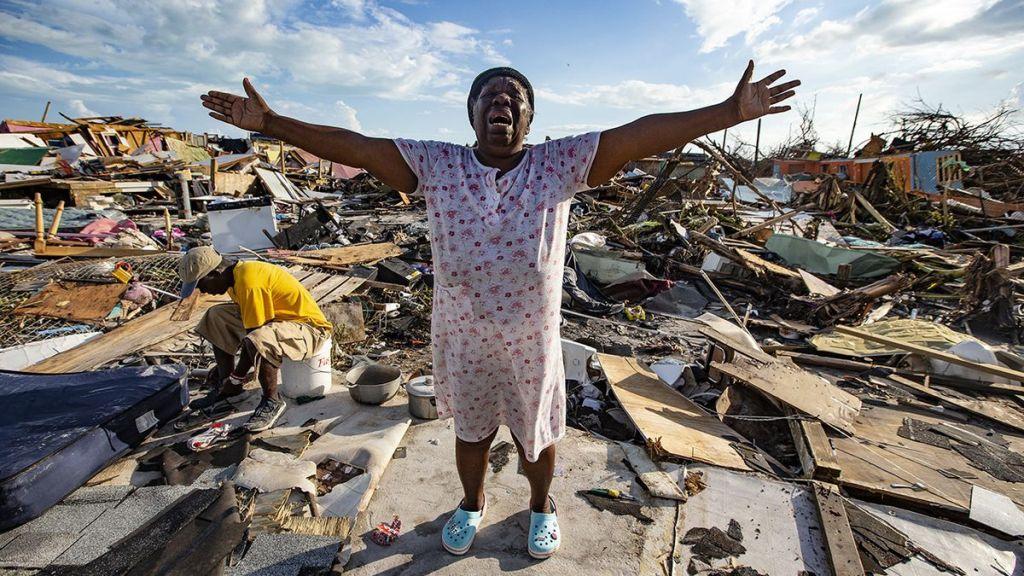
With the destruction of their homes, many Haitians have lost everything: residence papers, citizenship papers, passports, birth certificates, and even work permits. In the absence of documents and with the need to identify themselves for shelters in Nassau, they feel under threat of deportation.
Population
It is estimated that people of Haitian descent make up one fifth of the population of the Bahamian archipelago, some 332,634 people. Peaks in Haitian immigration to the Bahamas are linked to increasing instability in Haiti. However, Haitians do not always settle permanently and may use that territory as a springboard to other places or return to Haiti when convenient.
Legal Framework
• There is no jus soli, the right to nationality by birth in the territory. The Bahamian constitution allows naturalization of children born there when they reach the age of 18. Recognizing the challenges of obtaining Haitian nationality, there is de facto statelessness while awaiting the potential granting of naturalization.
• There is no legislative framework to protect asylum seekers, refugees, or stateless persons. • Work permits are very expensive; the permit and related documents can cost up to US$2,000 or more for one year in a low-skilled job. These prohibitive expenses lead many people to work without documents and employers to take advantage of that situation.
• At the beginning of 2018, a campaign began against these undocumented workers, with more raids and deportations, and speeches indicating sanctions against non-compliant employers.
Socioeconomic situation
Although the Bahamas boasts the second-highest GDP in the Anglophone Caribbean, it is also the second territory in the entire Caribbean in terms of economic and social inequality. As a result, the Haitian diaspora is mostly found in low-skilled jobs, authorized or unauthorized, especially in sectors linked to tourism, the Bahamas' main industry.
Current challenges
On August 22, 2019, when Category 5 Hurricane Dorian devastated the territory, an already tense situation between the government and Haitian immigration worsened. The hurricane hit the Haitian diaspora particularly hard because many people were living in fragile housing. At first, the anti-migrant campaign was suspended in response to advocacy by human rights organizations, but deportations have begun again, backed by the prime minister, who has asked immigrants with irregular status to leave the territory or risk deportation.
With the destruction of their homes, many Haitians have lost everything: residence papers, citizenship papers, passports, birth certificates, and even work permits. In the absence of documents and with the need to identify themselves for shelters in Nassau, they feel under threat of deportation. In addition, although social media are used to locate loved ones, they also serve to express hatred and prejudice, even blaming Haitian voodoo practices and insinuating that they provoked God's wrath in the form of Dorian.
Looking ahead
The Haitian government had requested an amnesty for its undocumented nationals in this diaspora, human rights groups have requested a moratorium on deportations, and local human rights lawyers on the ground are defending the rights of Haitians in the territory. What is missing is a fair and robust Bahamian response capable of turning the catastrophe into an opportunity that could sensitize society to the need for real integration of Haitians in Bahamian society. In this way, everyone, nationals and immigrants alike, could look forward to a more promising future in the Bahamas.
Read the English version here: Profiles of the Haitian diaspora in the Caribbean #1: The Bahamas