
OBMICA Newsletter Editorial March 2025
The Beijing Declaration and Platform for Action (1995), approved by 189 member states at the Fourth World Conference on Women, marked a milestone for women and girls worldwide.
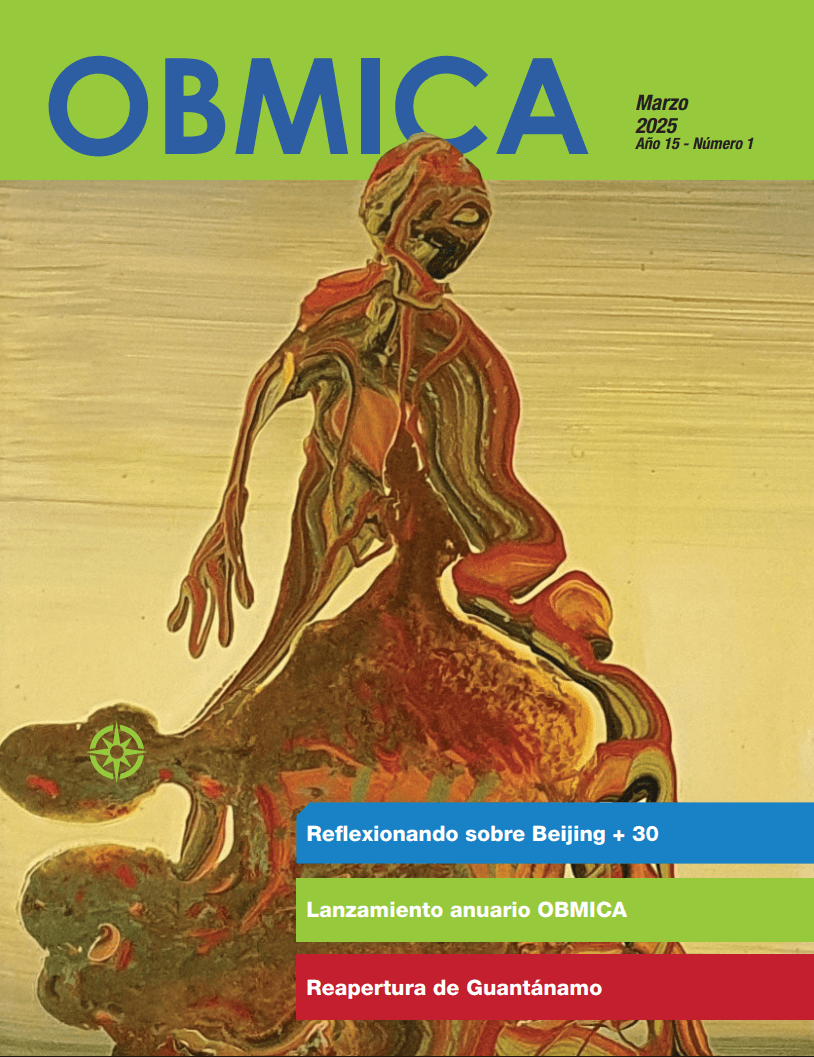
The Beijing Declaration and Platform for Action (1995), approved by 189 Member States at the Fourth World Conference on Women, was a milestone for women and girls around the world. Since then, feminist and civil society organizations have advanced this agenda by contributing a critique of neoliberal globalization, a feminist approach to macroeconomic policies, and an environmental justice perspective aimed at correcting existing inequalities.
Although the Platform recognizes some of the challenges faced by migrant women, it lacks a global framework to address the systemic factors driving migration and its intersection with other forms of discrimination. Thirty years later, and with nationalist populism on the rise, migration must occupy a central place in the collective work of advancing the Beijing Platform for Action. The agenda of the Women in Migration Network (WIMN), to which OBMICA belongs, highlights the intersectional forms of oppression faced by women in migration, including, among others, gender, race, class, sexual orientation and gender identity, religion, ability, and nationality. In 2024, WIMN convened grassroots women from around the world to work toward an Intersectional Feminist Migration Policy that affirms their rights and addresses their realities.
The themes of that consultation include: establishing safe, rights-based pathways for migration; guaranteeing and protecting family unity and access to legal documentation for all migrants; guaranteeing fundamental labor rights and decent working conditions for all migrants, including living wages, social protection, safe working environments, and protection from exploitation; recognizing the social and economic value of care work and the human right to care; guaranteeing access to essential public services, social protections, and justice for all migrants regardless of migration status. It must ensure that using these essential services does not pose a threat of deportation and that providing these services does not entail sanctions for the public servants who deliver them. It must also guarantee the best interests of the child, the importance of family reunification, and the need to address the specific needs of migrant children and adolescents. In the Dominican Republic, civil society organizations are concerned about barriers to public healthcare access for the migrant population, especially sexual and reproductive health. They disagree with a proposal raised at the presidential level to charge migrant pregnant women for childbirth, which could constitute a major setback to the Beijing Agenda to which the country is committed.
Bridget Wooding