
OBMICA Newsletter Editorial December 2022
Over the last decade, complaints of labor exploitation of migrant workers and even forced labor have become widespread. In 2014, international trade unions filed a complaint with the ILO against the State of Qatar, alleging that the country was failing to address labor rights violations.
Throughout the last decade, allegations of labor exploitation of migrant workers and even forced labor have become widespread. In 2014, international trade unions filed a complaint with the ILO against the State of Qatar, alleging that the country was not addressing labor rights violations.
After a period of intense negotiations, the State of Qatar and the ILO agreed on and launched a program that would promote significant labor reforms. The measures adopted have already improved the working and living conditions of hundreds of thousands of workers, although other urgent actions are still needed so that all workers can benefit from them. In 2020, changes were introduced to the so-called Kafala system (sponsorship system), thanks to which workers can now change jobs at any time by giving up to two months' notice. Another change is that migrant workers, including those engaged in domestic work, are no longer required to have an exit permit approved by the employer in order to leave the country. These important changes in Qatar's labor legislation have significantly reduced migrants' vulnerability to forced labor caused by the excessive control employers exercised over their lives. However, workers still face difficulties in leaving one job and moving to another, because some employers retaliate by revoking the worker's residence permit or filing a "runaway" complaint against them.
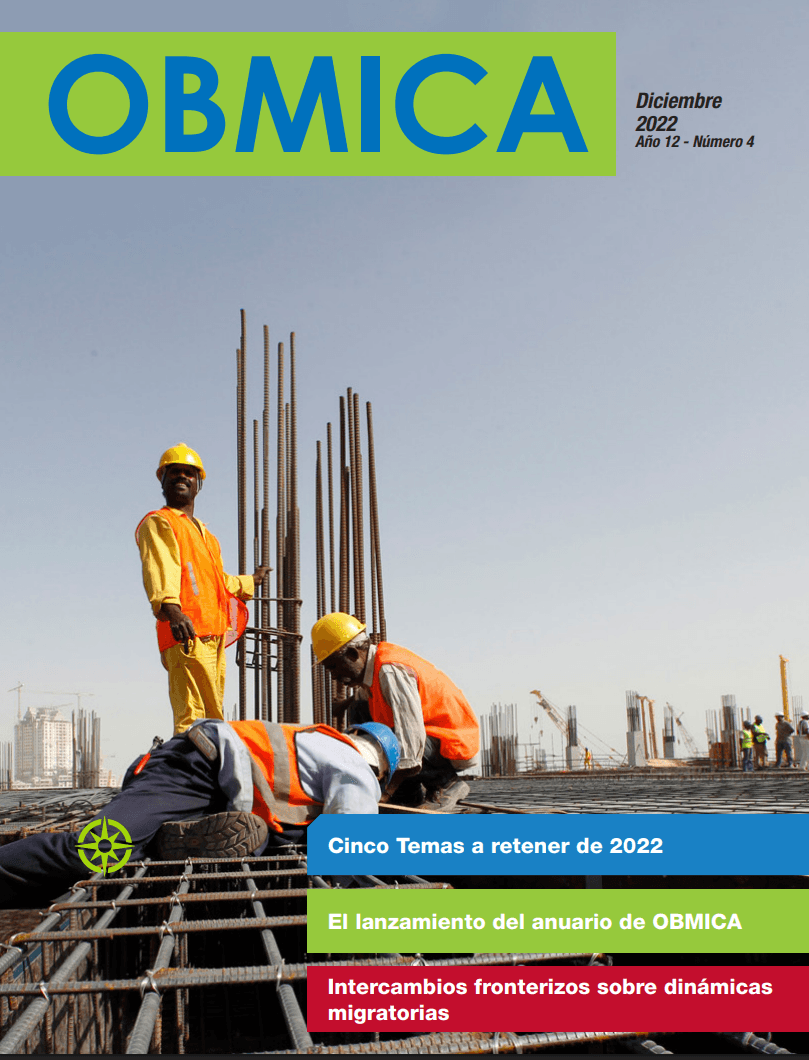
The recent FIFA World Cup in Qatar required many migrant workers in construction, among other sectors, who were exposed to highly dangerous labor situations in which it is estimated that nearly six thousand people may have lost their lives since Qatar won the right to host the 2022 edition (Guardian 2022). This is not new. Let us remember the situation in Brazil, where thousands of Haitian migrant workers struggled to work in construction ahead of the 2014 World Cup in Rio de Janeiro and other Brazilian cities. They initially benefited from the open-door policy after the forced displacement of many Haitians following the 2010 earthquake in Haiti. Regardless of the rotation of host countries for this type of global sporting event, and even though we already know that in 2026 the honor of organizing the FIFA World Cup will be shared by the United States, Canada, and Mexico, labor-rights compliance standards must continue to be raised for workers, especially migrants, who labor in building the infrastructure required for an event of this scale.