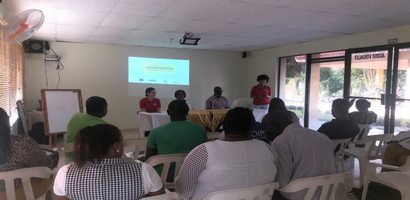
Cross-border dialogues analyze new migration dynamics at the insular scale
In the last quarter of 2022, CEDESO and OBMICA organized three cross-border meetings to analyze recent migration dynamics in three border cities (Comendador, Jimani, and Pedernales) and throughout the south of the country and the Enriquillo region where the Trato Digno project is being implemented.
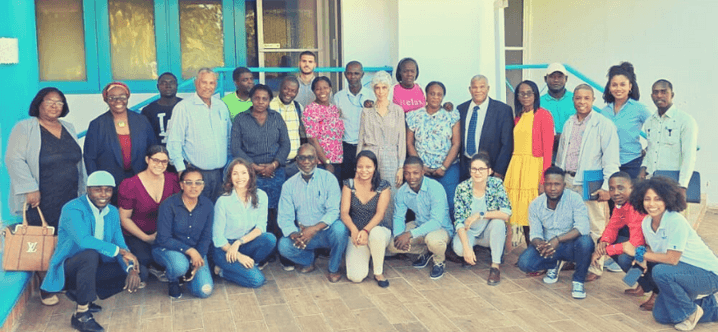
Trato Digno is a three-year project of CEDESO and OBMICA, supported by the European Union, that seeks to promote, protect, and monitor respect for human rights in relation to arbitrary detentions and deportations by land.
Each meeting used small-group work and plenary conversations to analyze the current challenges relevant to each specific context. Part of the agenda of the meetings was also the sharing of videos produced within the framework of the project. A participatory methodology was used to deepen the dialogue, including presentations, reactions to the videos, and note-taking that served as a memory aid for following up on the events.
The journey concluded in Barahona, with a day of presentations and reflection on the achievements of the Trato Digno project and the actions that must be taken to continue fighting for due process in migration procedures.
Comendador
On October 14 in Comendador, CEDESO and OBMICA convened members of local civil society, municipal officials, and representatives of government agencies to discuss what life is like at the border and how recent policies and narratives have affected the residents of Elias Pina province. The event was attended by a group of three representatives from civil society organizations in Haiti, representatives of IOM-Haiti, and the Haitian consul in Comendador. One of the observations shared was that both deportations and trade had increased over the last year, largely because migration flows were diverted from Jimani, whose location near Port-au-Prince had made deportations and use of the border market more difficult given the high level of criminal gang activity around the Haitian capital. Likewise, the contributions of civil society representatives were highlighted, whose joint work had prevented the deportation of dozens of children and adolescents.
Jimani
The second meeting took place on October 20 at the Hotel Jimani. As was the case in Elias Pina, the event included the participation of several representatives of the public forces, notably the local head of the General Directorate of Migration, who welcomed the development of citizen initiatives such as the Trato Digno Project, which are necessary to make the work of migration authorities more transparent. During the meeting, testimonies were heard from Jimani residents about the increase in arbitrary detentions even in the current context of high danger on the other side of the border. During the plenary discussion reacting to the video about Trato Digno, participants shared their observations about the various profiles of people currently subject to migration detention. Calls were made for better use of anti-corruption procedures to ensure compliance with due process.
Pedernales
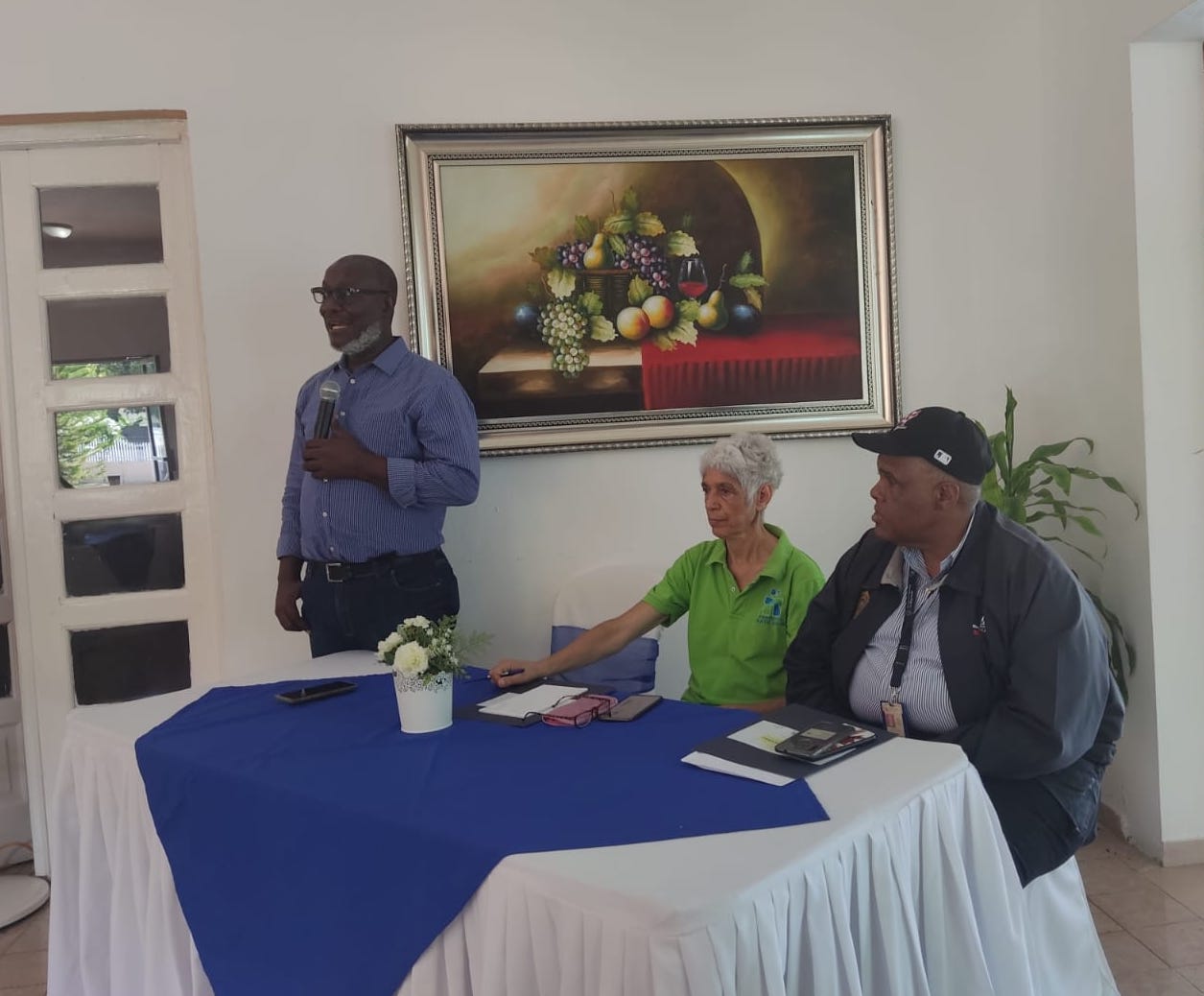
On November 23, we resumed the cycle of cross-border dialogues with a meeting in Pedernales. Many educators from the province were among the participants, and their professional and personal perspectives enriched the discussion. While it is true that Pedernales does not operate as a border point where deportations are regularly carried out, an increase in detentions and deportations has been observed in various localities of the province. It was reported that authorities in local schools need adequate training on the rights of migrant students in irregular situations and that, despite alarmist media rhetoric, there is a relationship of friendship and mutual care between the populations of Pedernales and Anse-a-Pitres. Participants also addressed the relationship between the stagnation of the so-called Naturalization Law 169-14 and the arbitrary detentions of beneficiaries of that regulation, who have the right to remain in their own country where they were born.
Barahona: closing meeting
On December 16, members of CEDESO and OBMICA, participants in the training sessions conducted under the Trato Digno project, organizations that are part of the Dominicanos x Derecho platform, social communicators, and observers from international organizations came together. The meeting had three key moments:
- discussion of deportations from the Dominican Republic in historical context with a dignified-treatment approach;
- presentation of political advocacy actions and support for victims of deportations by CEDESO;
- and a synthesis of lessons learned and experiences from the Trato Digno project, together with an exchange of experiences and good practices with local actors.
Bridget Wooding, director of OBMICA, placed the current situation within the historical context of deportations from the Dominican Republic to Haiti and delved into the status of deportations from the United States to Haiti. Beneco Enecia, director of CEDESO, presented the efforts of CEDESO members, their allies, and trained persons to intervene in arbitrary detentions and shared data on the project's reach. In the third part of the day, Sebastian Gerardo-Viala of OBMICA offered a summary of the challenges associated with monitoring human rights violations when that monitoring forms part of immediate intervention efforts in cases of migrants detained without due process. Yoana Kuzmova, associate researcher at OBMICA, presented her work on the promising practices that can be distilled from the experience of the Trato Digno project and extended in the future with strengthened participation by Dominican civil society.
Finally, journalist Indhira Suero summarized her research on Dominican media and migration at the insular scale, focusing on the southern border. The social communicator carried out a careful and insightful analysis of the practices of the national press when it comes to events at the border. She concluded her presentation with recommendations for journalists and local media. Colette Lespinasse, associate researcher at OBMICA, offered comments on the study and suggested directions for future research.