Victim-Centered Approach and Transnational Cooperation: Keys to Combating Trafficking at the Regional Level
By Kamilah Morain, OBMICA associated researcher. In July of this year, the Dominican Republic hosted the Regional Conference of the International Association of Women Judges on Human Trafficking.
By Kamilah Morain, OBMICA associated researcher
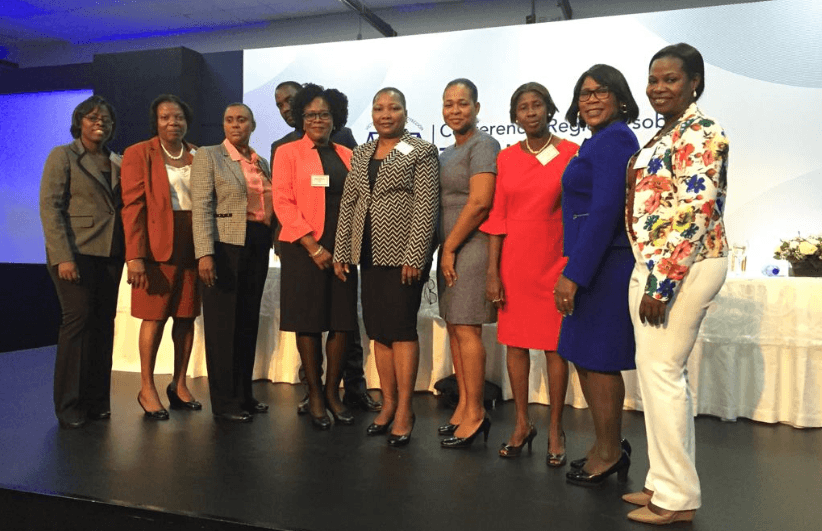
In July of this year, the Dominican Republic hosted the Regional Conference of the International Association of Women Judges on Human Trafficking. Under the theme "Access to justice for victims of trafficking in persons: effective collaboration and victim-centered best practices," the conference served as a space for participants to share information about their respective approaches to combating this problem.
It explored trafficking in its multiple forms and causes. State laws, law-enforcement agency policies, and legal practice were also examined with the aim of ensuring that the best interests of victims are pursued. The conference also served as a space for professionals in the field to discuss and exchange prevention tactics, prosecution strategies, and alliances that could be used to broadly combat the problem. Representatives from across Latin America attended, including Haiti and the Anglophone Caribbean.
During the conference, the challenges faced by Spanish-speaking victims of trafficking in the United States and their legal advisers were highlighted, as were the successes of Guyana, the only tier-one country in the Caribbean. Argentina explained its efforts to combat trafficking for sexual and commercial exploitation within its territory. Participants also benefited from Jamaica's experience in prosecuting international trafficking networks in Jamaica and learned about the provisions in its laws concerning victim protection and compensation.
OBMICA Director Bridget Wooding, together with the manager of the Lumos program in Haiti, discussed the issue of internal and cross-border trafficking of children between Haiti and the Dominican Republic. The panelists elaborated on the role of cultural beliefs and practices as one of the main contributors to the problems of internal and cross-border trafficking of children. They raised the difficulties generated by addressing the phenomenon only from a judicial approach, since some practices are so deeply rooted that a cultural shift is needed.
In Haiti, it was observed that this problem is aggravated by the practices of charitable organizations, some of them religious, which subsidize informal structures for receiving minors, such as homes and orphanages that lack proper oversight, which can lead to corruption and diverse forms of abuse such as sexual exploitation and child domestic servitude. The discussion also addressed how to tackle these problems in a victim-sensitive manner and what measures legislators and practitioners should take to guarantee victims' safety.
The conference concluded with a session on shared best practices, recognition of notable individuals working in the field across the region, a vote of thanks to the hosts, and the official commemoration of the 2019 International Day against Trafficking in Persons.